
Heat pumps
Select a heat pump based on the building and its heating demand.
Enquire about your projectChoose your brand
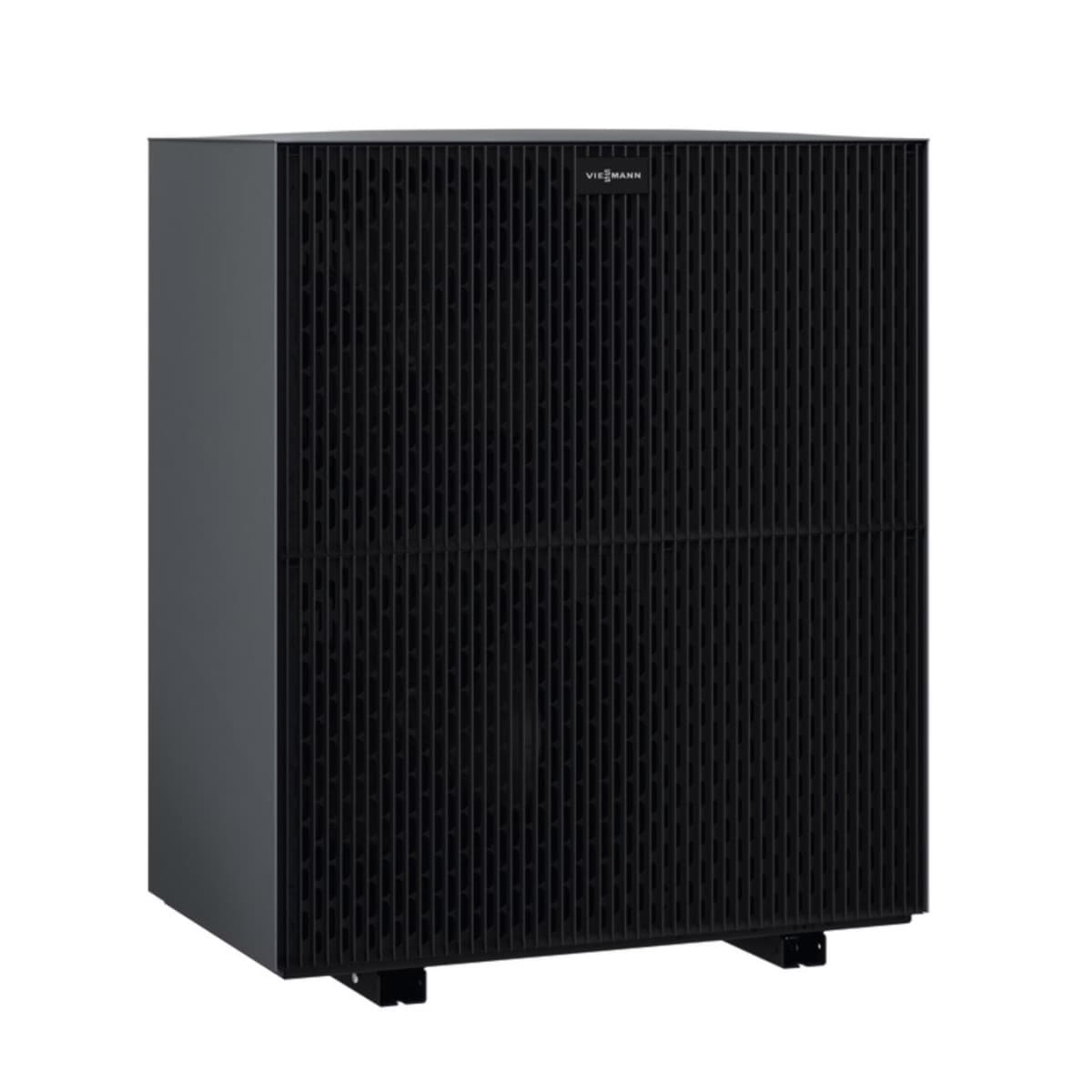 Explore Viessmann
Heat pumps
Viessmann
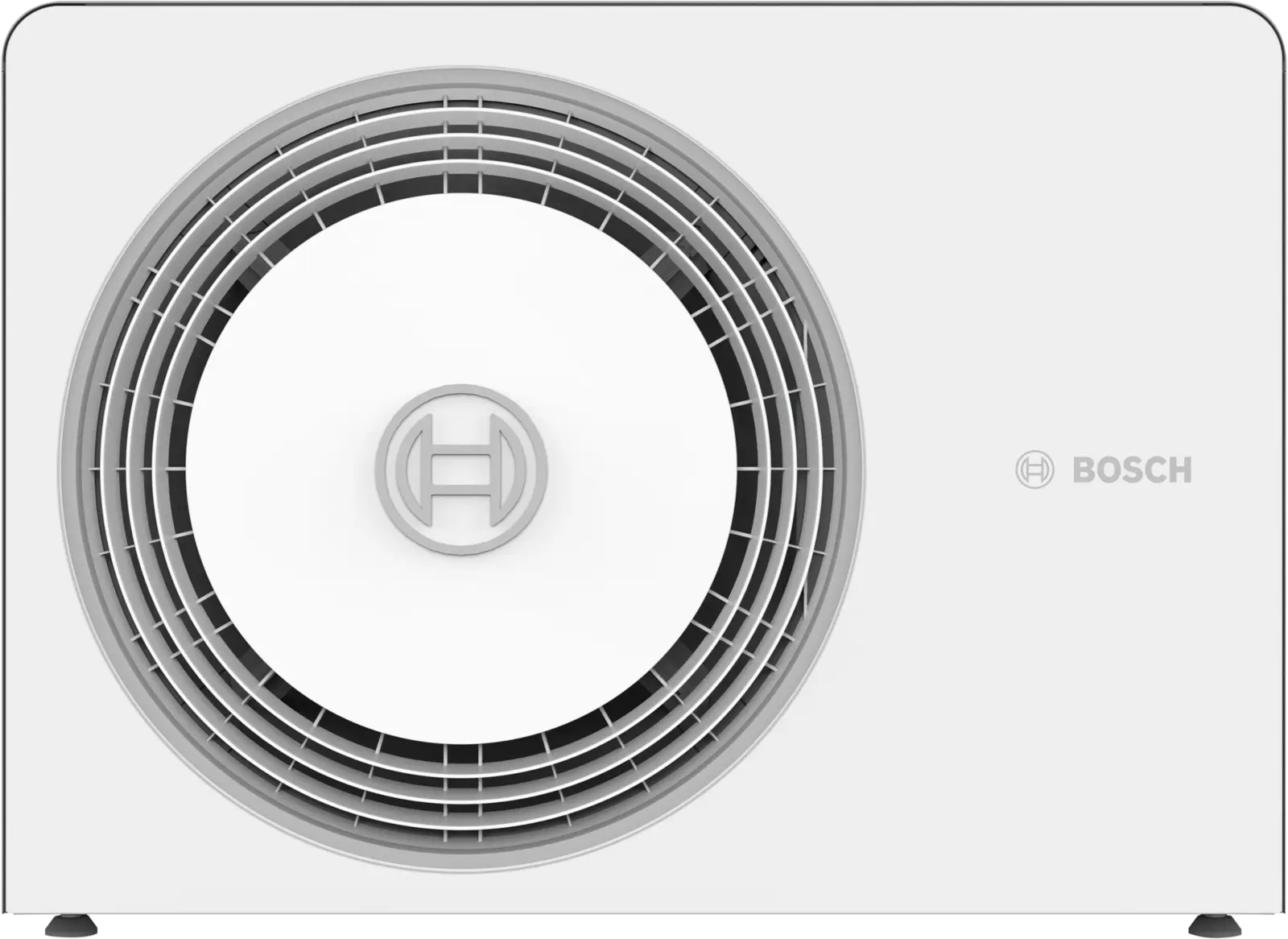
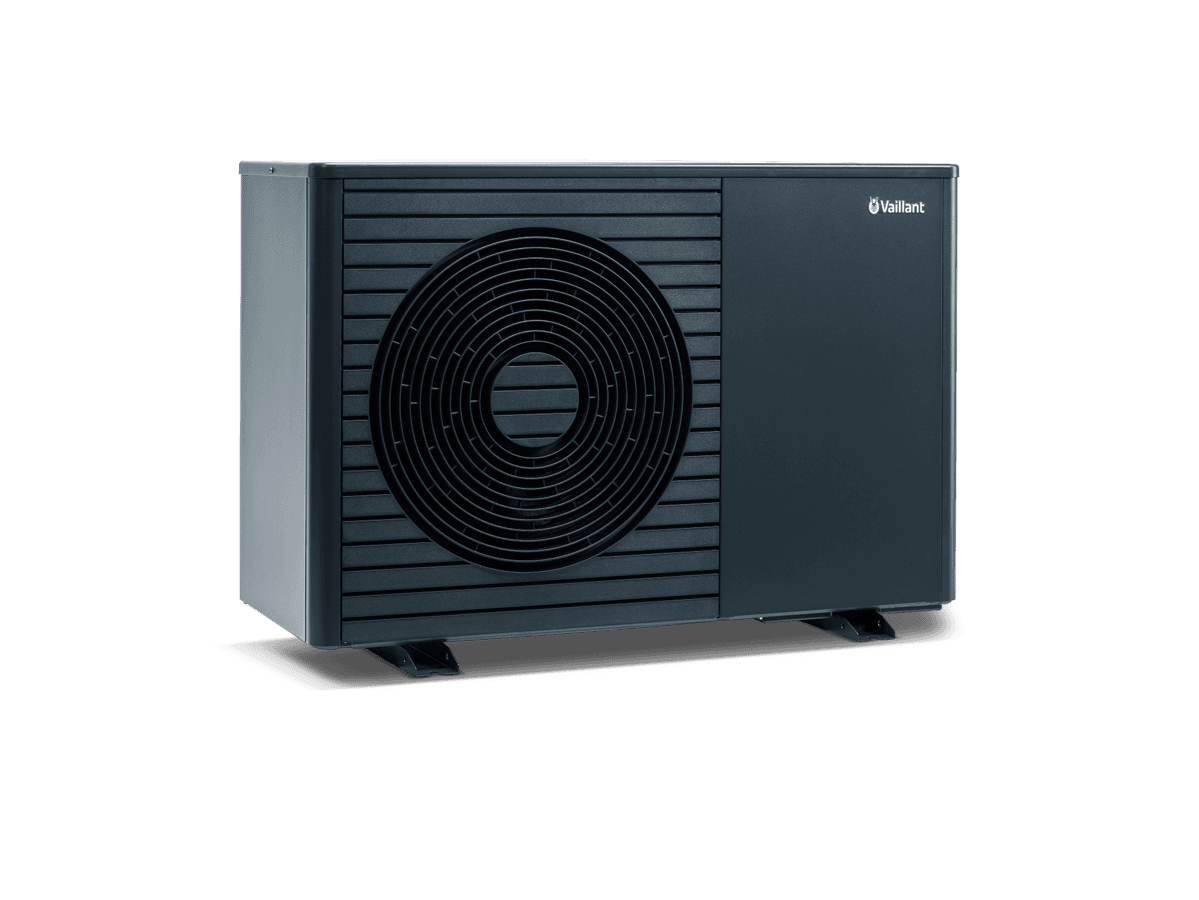
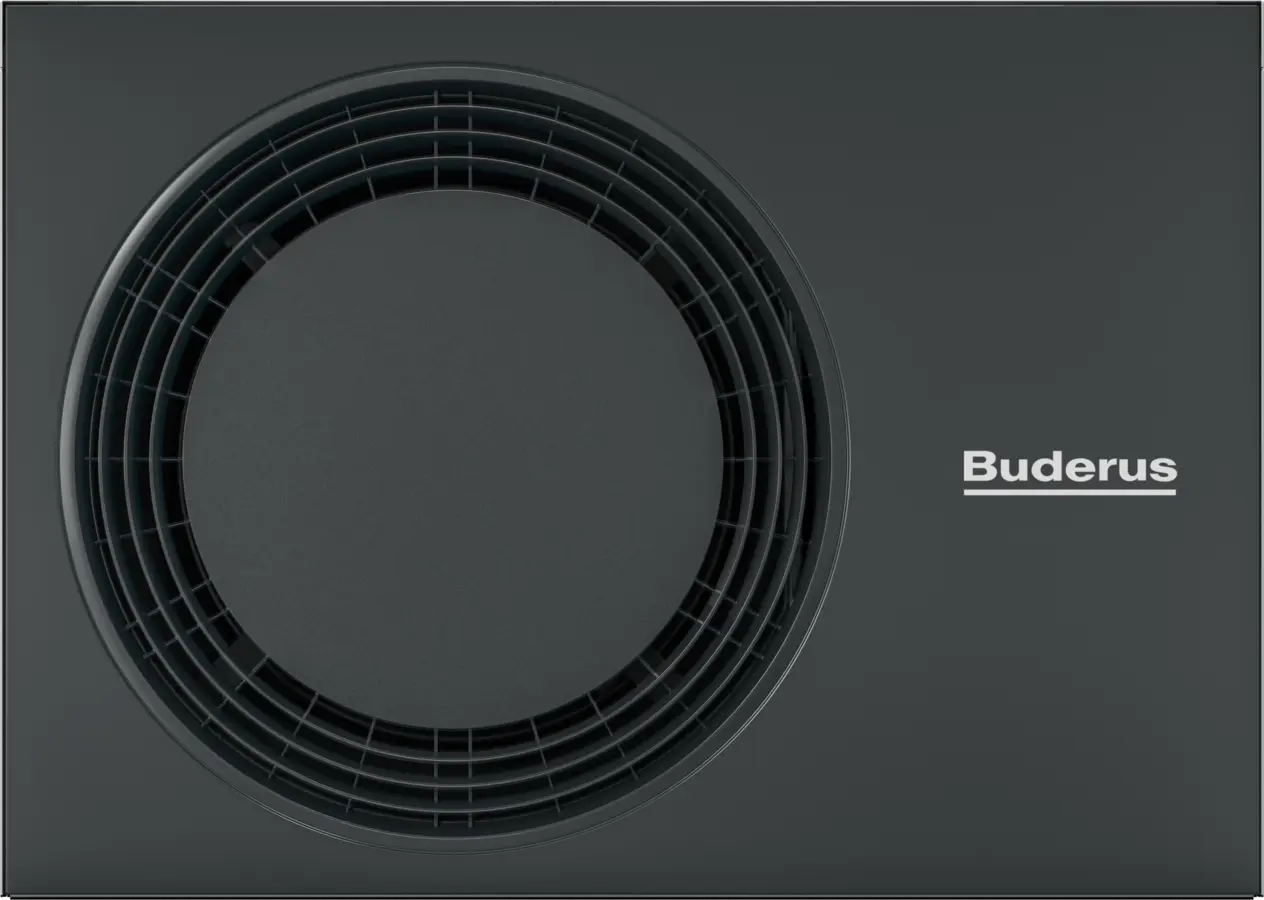
Selected brand: Viessmann
Which heat pump suits your building?
In Römerberg and Speyer, we start with your home, not a catalogue. Heat loss, emitters, hot water, location and budget guide the comparison. The initial on-site consultation and assessment are free and without obligation.
Understand the building
Age, heated area, consumption and existing radiators are the starting point. Room-by-room heat loss calculations and emitter checks form the basis for sizing.
Building assessmentDesign a complete system
Heat pump, hot water, hydraulics, PV and storage need to work together. Planned insulation changes future demand and should inform equipment selection.
System designUnderstand the investment
We also consider electrical work, metering cabinets, pipe routes and ancillary work. Options are compared with their assumptions, without blanket savings or funding promises.
Economic assessmentFrequently asked questions about heat pump planning
Can a heat pump work in an older house?
Age alone is not decisive. We assess heating demand, building fabric and heat emitters to determine whether the existing conditions are suitable or targeted improvements would help first.
Do all radiators need replacing?
Not necessarily. Each room needs adequate output from its emitters at the planned operating temperature. Replacement is considered where the assessment identifies a need.
How is the required output calculated?
Floor area or the old boiler rating alone is insufficient. Planning considers room-by-room heat loss, local design temperatures, hot water and operation rather than selecting purely by maximum equipment output.
What flow temperature is appropriate?
A temperature as low as possible while meeting demand supports efficiency. Emitters and hydraulics must be assessed together. There is no universal setting for every home; domestic hot-water hygiene requirements remain a separate consideration.
What does R290 mean?
R290 is the refrigerant propane. Selection also requires checking the specific manufacturer’s safety and siting instructions. Installation and work on the refrigerant circuit belong in qualified hands.
How are noise and location assessed?
We consider neighbouring windows, the site, reflective surfaces and manufacturer data together. A catalogue noise figure cannot replace a site-specific assessment. Clearance, airflow and maintenance access also matter.
What funding is available in Germany?
Eligibility depends on the applicant, property, measure and current programme conditions. We check the programme and application sequence before a binding order. KfW provides current terms; funding approval cannot be guaranteed.
Will PV cover all heating electricity?
Not automatically: heating demand and solar production have different seasonal profiles. We compare them and include grid electricity in the design. A battery does not provide seasonal energy storage.
Does every heat pump need storage?
Hot-water cylinders, heating buffer tanks and electrical batteries serve different purposes. Requirements depend on hydraulics, hot-water demand, controls and PV. Larger capacity is not automatically more economical.
What does energy management do?
An EMS can coordinate compatible heat pumps, PV, batteries and EV chargers. We check actual device interfaces and operating limits. Sharing a brand does not guarantee all functions will work together.
What does § 14a EnWG mean for my project?
In Germany, affected controllable devices are subject to grid-control rules and reduced network charges. Applicability is checked with the grid operator and installer. Electrical connection power must not be confused with thermal heating output.
What should I prepare for the first meeting?
Location, building age, heated area, consumption, current heating and planned renovation help the initial discussion. Photos and plans can be added during consultation. Do not submit confidential documents in a public chat.